Source Excavator Track Roller Welding Machine for Heavy Duty Use
Find reliable excavator track roller welding machine options from verified suppliers. Compare specifications for 30 available models, including power ratings and dimensions, to identify the right equipment for your manufacturing needs; compare the available evidence and request quotations based on your requirements.
Key considerations
Products List
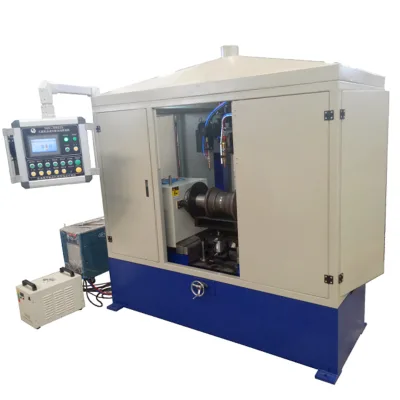
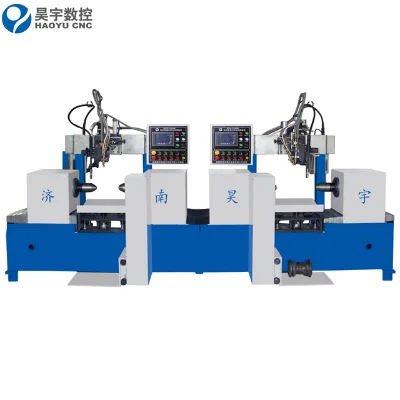
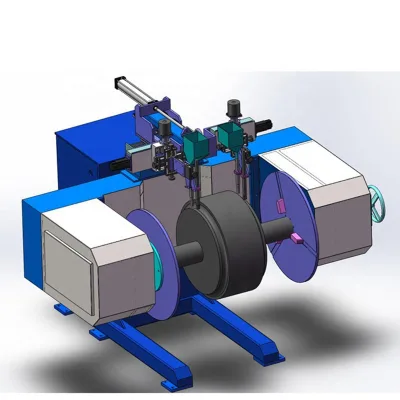


Comprehensive Sourcing Guide
Excavator Track Roller Welding Machine Sourcing Guide
The market for automatic welding equipment dedicated to excavator track rollers presents a specialized segment where precision and durability are paramount. Buyers often encounter machines labeled as automatic idler roller welding systems, which are engineered to handle the specific geometry and material thickness of heavy machinery components. These units typically integrate high-efficiency MIG welding processes to ensure consistent seam quality across the complex curves of track rollers and idlers.
Procurement decisions must account for the variance in machine configurations, ranging from single-station setups to dual-station systems designed for continuous production. The observed product landscape includes models with significant power ratings and substantial physical footprints, indicating that facility space and power infrastructure are critical prerequisites before finalizing a purchase order.
Product Scope and Observed Listing Signals
Current listings frequently highlight machines with specific functional attributes such as CO2 MIG welding capabilities and high arc current ratings, which are essential for penetrating thick steel sections found in track roller assemblies. Buyers should note that observed specifications often include pilot arc currents and pulse frequencies that define the stability of the welding arc, directly influencing the quality of the weld bead on curved surfaces.
The physical scope of these machines varies significantly, with some units weighing over two tons and requiring dimensions that exceed standard shipping containers without special disassembly. Listings also indicate that while some models feature portable designs, the majority of heavy-duty units are stationary systems requiring permanent installation, with power inputs ranging from standard single-phase to three-phase industrial voltages.
Technical Specifications to Verify
When evaluating technical data, the rated duty cycle and power consumption are critical metrics that determine the machine's ability to sustain continuous operation without overheating. Buyers must verify that the specified power ratings, which can range from 10 kW to 40 kW depending on the model, align with the available electrical infrastructure at the manufacturing site to prevent voltage drops or circuit failures.
Cooling methods and motor types also require strict verification, as water cooling systems are often necessary for high-intensity welding applications to maintain thermal stability. Additionally, the maximum workpiece diameter and the specific welding station configuration must match the production requirements, ensuring the machine can accommodate the full range of track roller sizes without requiring frequent retooling or manual intervention.
Compliance and Safety Documentation
Safety compliance for industrial welding equipment involves verifying that the machine meets local electrical standards and includes necessary safety interlocks for high-voltage operations. Buyers should request documentation confirming that the electrical systems, including the input voltage and phase requirements, are certified for safe operation in the intended region, particularly when dealing with three-phase power inputs.
Documentation regarding the machine's control systems and emergency stop functions is equally important to ensure operator safety during the automated welding process. Procurement teams must also confirm that the supplier provides clear manuals detailing the air compressor pressure requirements and other operational parameters to prevent mechanical failures or safety hazards during high-speed welding cycles.
Cost Drivers and Commercial Terms
The total cost of ownership is heavily influenced by the machine's power rating, weight, and the complexity of its automated control systems, which drive up the initial purchase price. Buyers should anticipate that high-efficiency models with dual welding stations and advanced pulse frequency controls will command a premium compared to basic single-station units, reflecting the increased production capacity and precision offered.
Commercial terms often include specific packaging requirements, such as wooden cases for heavy units, which add to the shipping and handling costs. It is essential to clarify the warranty duration and the scope of after-sales support, as the high value of these machines makes long-term maintenance and repair services a significant factor in the overall financial commitment.
Supplier Qualification and Quality Control
Supplier qualification should focus on the manufacturer's ability to provide consistent quality control for heavy industrial machinery, evidenced by their track record in producing automatic welding systems. Buyers must verify that the supplier offers field maintenance and repair services, as the complexity of these machines often requires specialized technical support that cannot be easily outsourced to local technicians.
Quality assurance processes should include a review of the machine's build quality, including the robustness of the machine body and the reliability of the AC motors used in the drive systems. Procurement teams should also assess the supplier's customization capabilities, ensuring they can adapt the machine to specific production needs, such as varying workpiece diameters or unique welding station configurations.
Long-Term Procurement Checks
Long-term procurement success depends on establishing a clear protocol for ongoing maintenance and the availability of spare parts for critical components like motors and control boards. Buyers should negotiate service level agreements that guarantee timely response times for field maintenance, ensuring minimal downtime during peak production periods when track roller welding is essential.
Regular performance audits are necessary to verify that the machine continues to meet the specified efficiency and duty cycle ratings over time. Procurement teams should also monitor the condition of the cooling systems and electrical components, as these are the most susceptible to wear and tear in high-intensity welding environments, requiring proactive replacement to maintain operational reliability.
FAQs
What is the power consumption of the HAOYU automatic idler roller welding machine?
The HAOYU automatic idler roller welding machine operates with a power rating of 10 kW to 23 kW depending on the specific model configuration. This high-efficiency system supports arc currents up to 500A and pilot arc currents of 380A. The unit requires a 3-phase 380V input voltage and utilizes water cooling for sustained high-duty cycle operations in industrial settings.
Can the welding machine handle workpieces with diameters under 1500mm?
Yes, the machine is designed to accommodate workpiece diameters less than 1500mm. It features a robust machine body with dimensions around 3.6m by 2.1m by 2m. The system supports one or two welding stations based on specific production needs, ensuring versatile handling for various idler roller sizes in heavy machinery maintenance and manufacturing.
What warranty and after-sales support are provided for this equipment?
The equipment comes with a standard 3-year warranty covering manufacturing defects. After the warranty period, suppliers offer field maintenance and repair services to ensure continuous operation. The machine is built with high-quality components and features an easy-to-operate automatic control system, minimizing downtime and simplifying routine maintenance for operators in demanding environments.
How is the machine packaged for safe international shipping?
The welding machine is packed in a sturdy wooden case to protect against transit damage. This standard exporting packing ensures the heavy unit, weighing approximately 2150 kg, remains secure during global logistics. The packaging is designed to withstand rough handling, preserving the precision of the AC motor and welding components until they reach the buyer's facility for installation.
Is customization available for the machine's specifications and color?
Customization is available for both machine specifications and exterior appearance. Buyers can select the machine body color, such as blue or other requirements, to match their fleet standards. The automatic control system and welding stations can be tailored to specific production workflows, allowing for flexible integration into existing heavy equipment repair lines and specialized manufacturing processes.